
|
|||||||||||||||||||||||||||||||||||||||||||||||||||||||||||||||||||||||||
|
|
PRODUCT SUMMARY
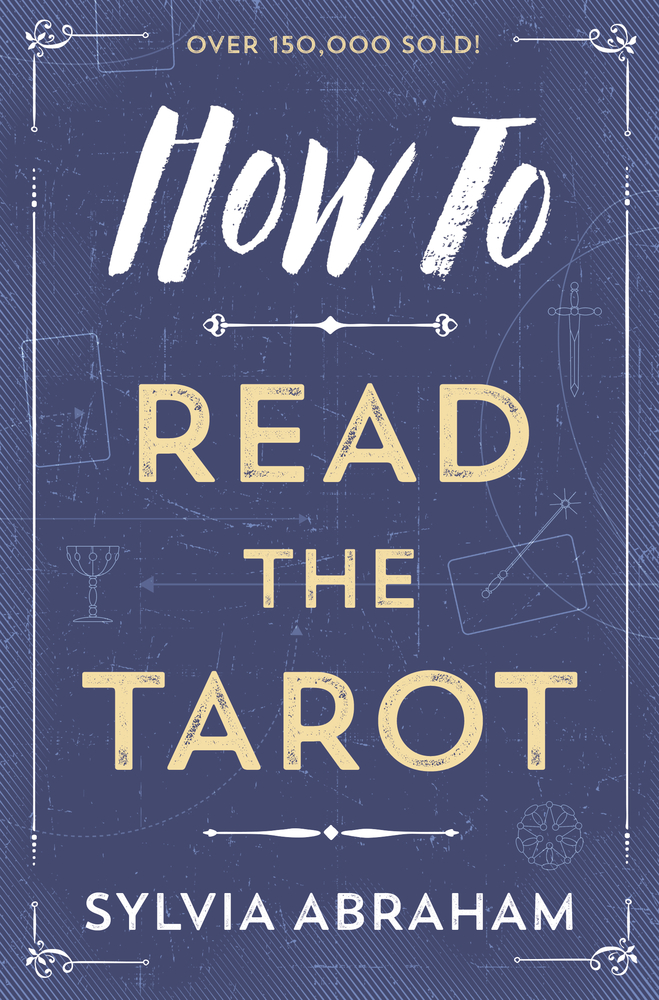
Here is a simple and practical guide to interpreting the symbolic language of the tarot. How To Read the Tarot provides an interpretive structure that applies to the card numbers of both the Major and Minor Arcana. Readers will learn five common tarot spreads designed to answer common questions about love, money, health, and more. For more insight, there's a handy symbol dictionary for interpreting hundreds of tarot symbols.
ADDITIONAL TITLES BY THIS AUTHOR
RELATED ARTICLES
Date: 2009-04-14
Selecting a card a day is a popular activity among tarot enthusiasts. Although the activity is basically the same—draw a single card each day—there are different reasons or goals, as well as different approaches. Some reasons include: to learn the cards or a specific deck, to check in with Spirit for guidance or inspiration, to use the image as a journaling prompt, or to predict what to expect...
Date: 2006-04-01
Clustering exercises offer another creative way to work with the tarot. Some people have heard of a clustering exercise where you write down a main idea in the center of a piece of paper and then brainstorm by jotting down thoughts and ideas all ...
Date: 2002-05-01
“Magick is for all.” Aleister Crowley wrote this at the beginning of his text, Magick in Theory and Practice. He went on to say that magick is for bankers, boxers, biologists, poets, grocers, women working in factories, mathematicians, ...
|
![]()
|
|||||||||||||||||||||||||||||||||||||||||||||||||||||||||||||||||||||||
|
|||||||||||||||||||||||||||||||||||||||||||||||||||||||||||||||||||||||||