|
|||||||||||||||||||||||||||||||||||||||||||||||||||||||||||||||||||||||||||||
|
Term: Hierarchy
Hierarchy: A set structure in an organization with positions and the duties and responsibilities of each position, ranging from the leader or head, to the regular participants and attendees. Theosophists relate this to the degrees and grades of development in the universe. Some Pagan traditions do not like the authority given to some as implied by the term. Others suggest that groups naturally form structures with hierarchies, and that the problem is not with the structure itself, but with locked-in hierarchies where a specific individual always "rules" the others. This can be overcome with the concept of an "open hierarchy," where on regular occasions different people can hold different positions within the hierarchic structure. Hierarchy: It is believed that those of a higher initiation compose a leadership that has the ability to transmit spiritual energy to those of lesser spiritual stature and thus "raise them up." Nearly every kind of group is formally organized in ranks of power, authority, and seniority. Whether in government, business, social club, military group, non-profit organization, church or religious order, a hierarchical structure has generally proved to be more effective in accomplishing the group mission than an unstructured democracy. What is important, however, to the health of any organization, is the basis of the ranking. In an esoteric group it should be by knowledge and expertise, and demonstrated merit in any degree or level of initiation. Nothing is worse than authority without demonstrated merit. It is both unfortunate and passé that some esoteric groups, like the Catholic Church and some Masonic lodges, devote so much of their resources to the embellishments of office instead of effective teaching or service. A simple badge of office should normally be sufficient. Within a ritual drama, symbolic costuming may be important just as are other elements of ritual. Carl Llewellyn Weschcke
Enochian Magick denies the existence of a personal, absolute Deity, or God. Instead, the Enochian view of God agrees with the Buddhist teaching of a plurality of deities, with none supreme. The word supreme implies an end beyond which we cannot go; ... Relevance: Runes are the manifest symbols through which rune magic is worked. They can be employed for all of the magical purposes that other magical systems serve, but they possess unique aspects that make them superior for certain uses.
Because they were ... Relevance: Summary
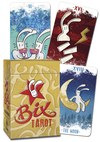
A simple yet powerful deck of twenty-two cards provides a bridge between our conscious minds and all the facets of the Divine that reside within all of us. Striking art enhanced by textured gold foil make these cards handheld treasures that ... Relevance: Summary: The Manga Tarot is a beautiful and insightful deck. It skillfully combines the evocative and fantastical feel of Manga with the equally evocative format of Tarot. Add to the mix some creative changes and juxtapositions and you’ve got a deck ... Relevance: Summary:
The Witchy Tarot is like your best friend: smart, pretty, funny, surprising deep and always clever…and always very real and honest. It helps you embrace your power while accepting your shortcomings. This deck gives great Tarot readings but ... Relevance: The story of the Golden Dawn, like that of any human organization, is replete with high points and low points—with human achievements and human failings. There is no need for us to try to whitewash or sugarcoat the faults of some of the individuals ... Relevance: |
![]()
|
|||||||||||||||||||||||||||||||||||||||||||||||||||||||||||||||||||||||||||
|
|||||||||||||||||||||||||||||||||||||||||||||||||||||||||||||||||||||||||||||